As the weather cools and the Triangle heads into its busiest cooking season, the range becomes the hardest-working appliance in the house. It is also the one homeowners agonize over most during a renovation, and the question we field more than any other is a simple one: induction or gas. Both can be excellent. They simply cook in fundamentally different ways, and the right answer depends on how you actually cook. Here is the honest, experience-based comparison our team walks Triangle homeowners through every day.
The short version: induction excels at speed, precision, easy cleanup, and energy efficiency, while gas offers intense high heat, a responsive open flame, and the freedom to use any cookware you own. Neither is universally better. The right range is simply the one that matches the way you cook, and the details below will help you find it.
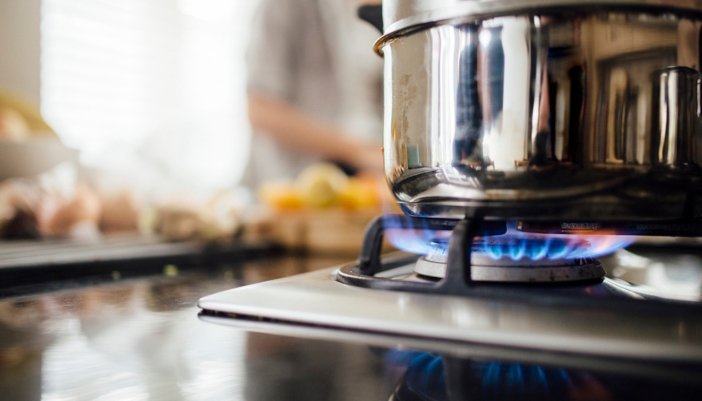
How Induction and Gas Work
Understanding the difference starts with the basics. A gas range burns fuel to produce an open flame beneath your cookware, heating the pan and the surrounding air. Induction takes an entirely different approach. An electromagnetic field beneath the glass surface energizes the cookware itself, so the pan becomes the heat source while the cooktop stays relatively cool. That single distinction explains nearly every practical difference that follows.
Performance: Speed, Precision, and Power
Each method has real performance strengths. Induction transfers energy directly to the pan, so it brings water to a boil quickly, responds the instant you adjust it, and holds very low, steady temperatures that make delicate work like melting chocolate or holding a sauce easier. Gas answers with intense, high-output heat for searing and stir-frying, a flame that climbs the sides of a pan or wok, and the visible, tactile control many cooks have relied on for years. One is prized for precise, repeatable control, the other for raw heat and feel. Both are available at the highest level across the many brands we carry, such as Thermador, Wolf, Café, and Bosch.
Everyday Living: Cleaning, Safety, and Comfort
The daily experience matters as much as raw performance. Induction's flat glass surface wipes clean in seconds, stays cooler so spills do not bake on, and has no grates or burner caps to remove. Because it heats only where a compatible pan sits and has no open flame, many families with young children appreciate the added peace of mind. Gas has its own daily rhythm that plenty of cooks prefer, with grates that lift out for cleaning and the reassuring, at-a-glance feedback of a live flame. It does put more heat into the room, which is welcome on a cold morning and less so in August. Neither is hard to live with once it is yours.

Efficiency and Operating Cost
When it comes to energy, induction is the more efficient method, sending most of its energy straight into the pan while a gas flame loses more heat to the surrounding air. That said, what you actually pay depends on local electricity and gas rates, which vary. Installation matters too. Induction needs a suitable 240-volt electrical circuit, while gas needs a gas line and proper ventilation, and depending on your home, one may be far easier to accommodate than the other. Our team can help you sort that out before you commit.
The Cookware Question
Induction has one real requirement: your cookware must be magnetic. Cast iron, enameled cast iron, and many stainless-steel pans work beautifully, while pure aluminum, copper, and glass will not unless they have a magnetic base built in. The quick test is to hold a magnet to the bottom of a pan. If it grips firmly, the pan will work on induction. Gas has no such requirement and heats whatever you put on it, which is one reason cooks with a beloved collection of specialty pans often lean toward it.
When Gas Is the Better Fit
Gas remains the right call for a great many cooks. If you love the ritual and feel of an open flame, do a lot of high-heat searing or wok cooking, or want the flexibility to use every pan you already own, gas delivers in ways some cooks will never want to give up. Others simply cook beautifully the way they always have and see no reason to change. The best range is the one that fits your habits, and for a meaningful number of homeowners, that is gas.
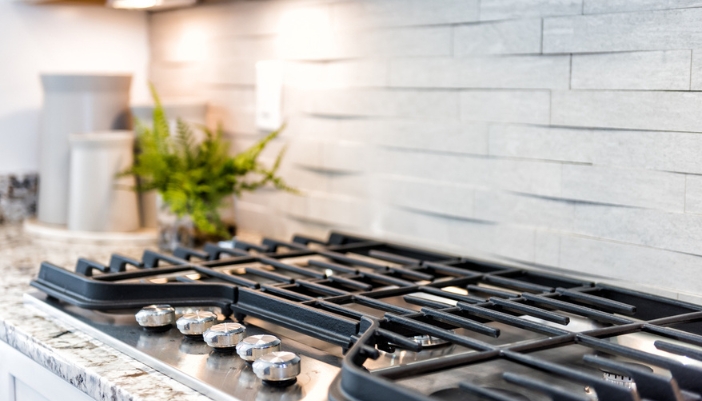
So, Are Induction Ranges Worth It?
It depends entirely on how you cook. If you value speed, precision, easy cleanup, and strong efficiency, an induction range is well worth it, and today's luxury models leave no doubt about performance. If you prize intense high heat, the feel of a live flame, and the freedom to use any pan you own, gas is every bit as worthy a choice. There is no single right answer here, only the right answer for your kitchen, and the best way to find it is to cook the difference for yourself.
Compare Them Side by Side at Garner
The best way to choose between induction and gas is to experience both. At our Garner and North Raleigh showrooms, you can see induction and gas ranges from the many brands we carry in our live kitchen galleries, feel the difference in control, and ask the questions that matter for your kitchen and the way you cook. Our specialists will give you a straight answer about what will serve you best. Explore our cooking collection to get started, then come in and put your hands on the controls.
Frequently Asked Questions
Neither is better in every way. Induction is faster, more precise, easier to clean, and more energy efficient. Gas offers intense high heat, a responsive open flame, and the freedom to use any cookware. The better choice depends on what you value most in the way you cook.
For cooks who value speed, precision, easy cleanup, and efficiency, induction is well worth it, and luxury models deliver top-tier performance. The main things to plan for are compatible magnetic cookware and a suitable 240-volt electrical circuit.
Yes. Cookware must be magnetic. Cast iron and many stainless-steel pans work, while aluminum, copper, and glass do not unless they have a magnetic base. Hold a magnet to the bottom of a pan to check before you cook.
Yes. Because induction heats the pan directly rather than the air around it, it brings water to a boil faster than gas and responds instantly when you change the setting. Gas, in turn, can deliver higher peak heat for searing and high-temperature cooking.
No. Induction needs electricity, so it will not run without power, while a gas range can often still be lit by hand. If that is a frequent concern where you live, it is worth weighing.
About Garner Appliance & Mattress
Garner Appliance & Mattress has been a family-owned fixture in North Carolina's Triangle since 1977, pairing the world's leading appliance and mattress brands with genuine expertise and full-service delivery and installation. Our showrooms are made for hands-on shopping, with knowledgeable specialists who help you find the right fit for how you live. Visit us at our Garner or North Raleigh showrooms or reach out to start the conversation.